A fall HVAC checklist for East Texas homeowners - how to prep your outdoor heat pump, seal leaky ducts, check your thermostat, and get your system ready before the first hard freeze.
Your heating system is about to go from months of rest to working nearly around the clock. East Texas homes - many with ductwork in hot summer attics and heat pumps sitting under falling leaves - feel it most when a hard freeze sneaks in. A little fall prep goes a long way.
Part 1: Outdoor heat pump care.
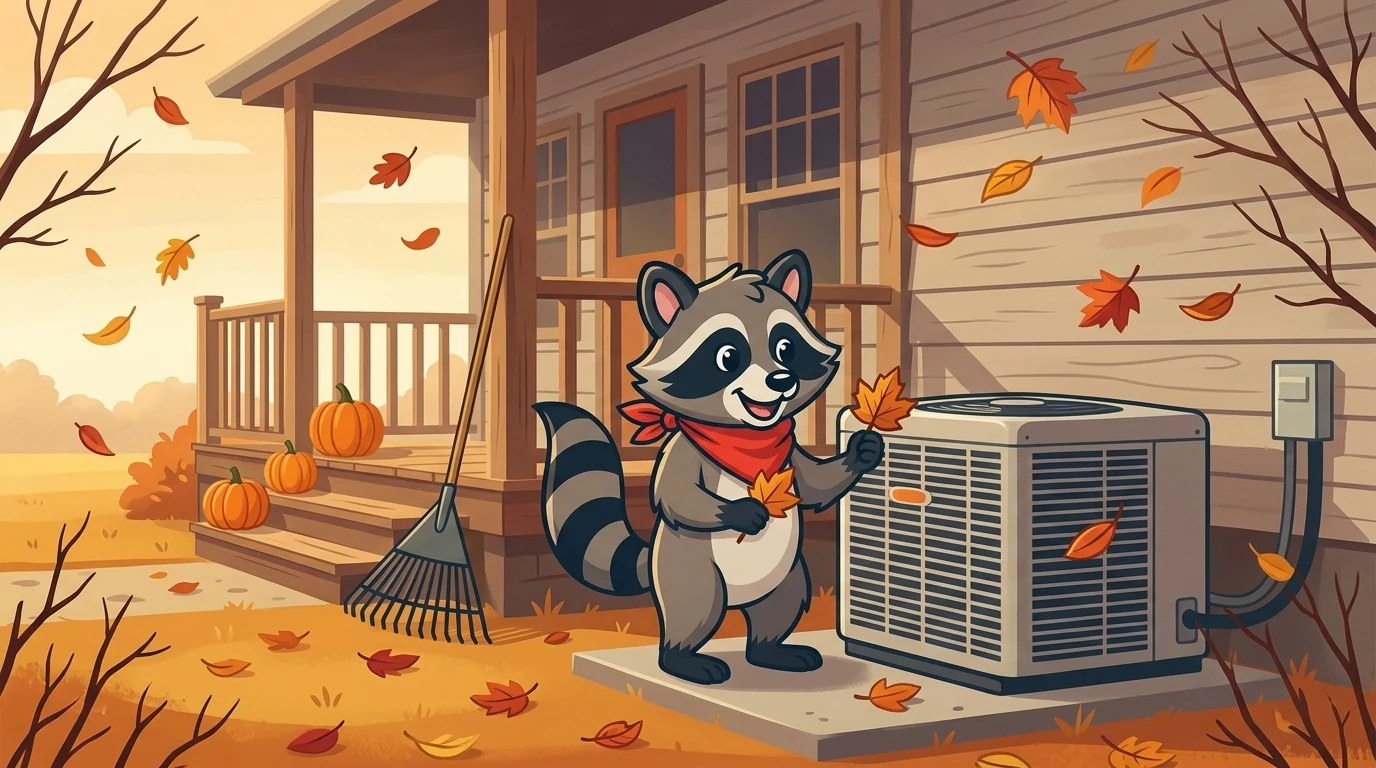
1) Clear leaves and debris. Fallen leaves, pine needles, and grass clippings pile up against the outdoor unit and choke airflow across the coil. Rake at least two feet clear on every side, and gently hose off the fins with the power turned off.
2) Check that the unit sits level. A heat pump that has settled or tilted on its pad can drain poorly during defrost cycles, letting ice build up underneath. If it’s leaning, give us a call.
3) Trim back shrubs and branches. Plants that grew in over the summer should be cut back about two feet. Watch for limbs overhead that could drop ice or debris on the unit during a winter storm.
4) Inspect the refrigerant line insulation. The foam on the larger copper line running into the house often cracks or gets chewed by critters. Missing insulation wastes heat before it ever reaches your home.
Part 2: Indoor system prep.
5) Replace the air filter. Start the heating season with a fresh filter and set a reminder to check it monthly through winter. Restricted airflow is one of the most common causes of no-heat calls.
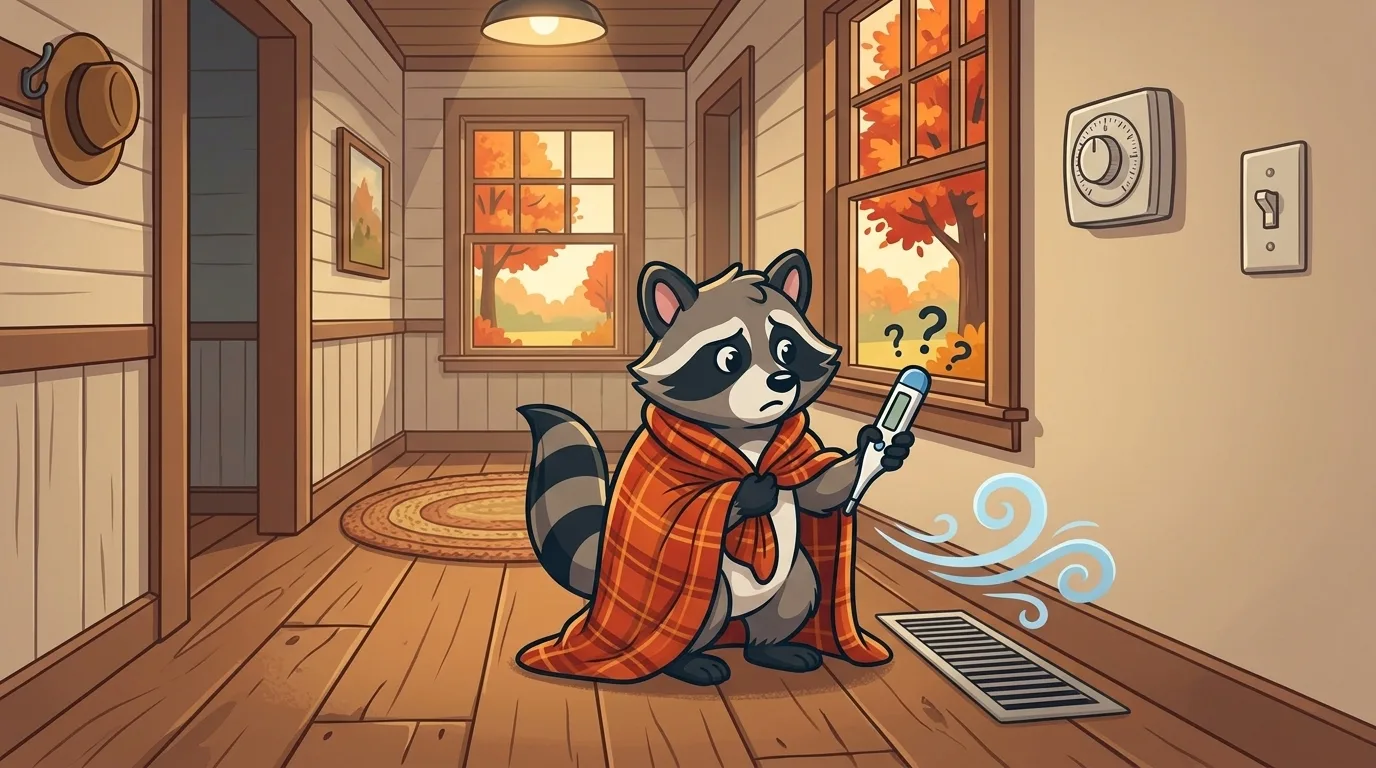
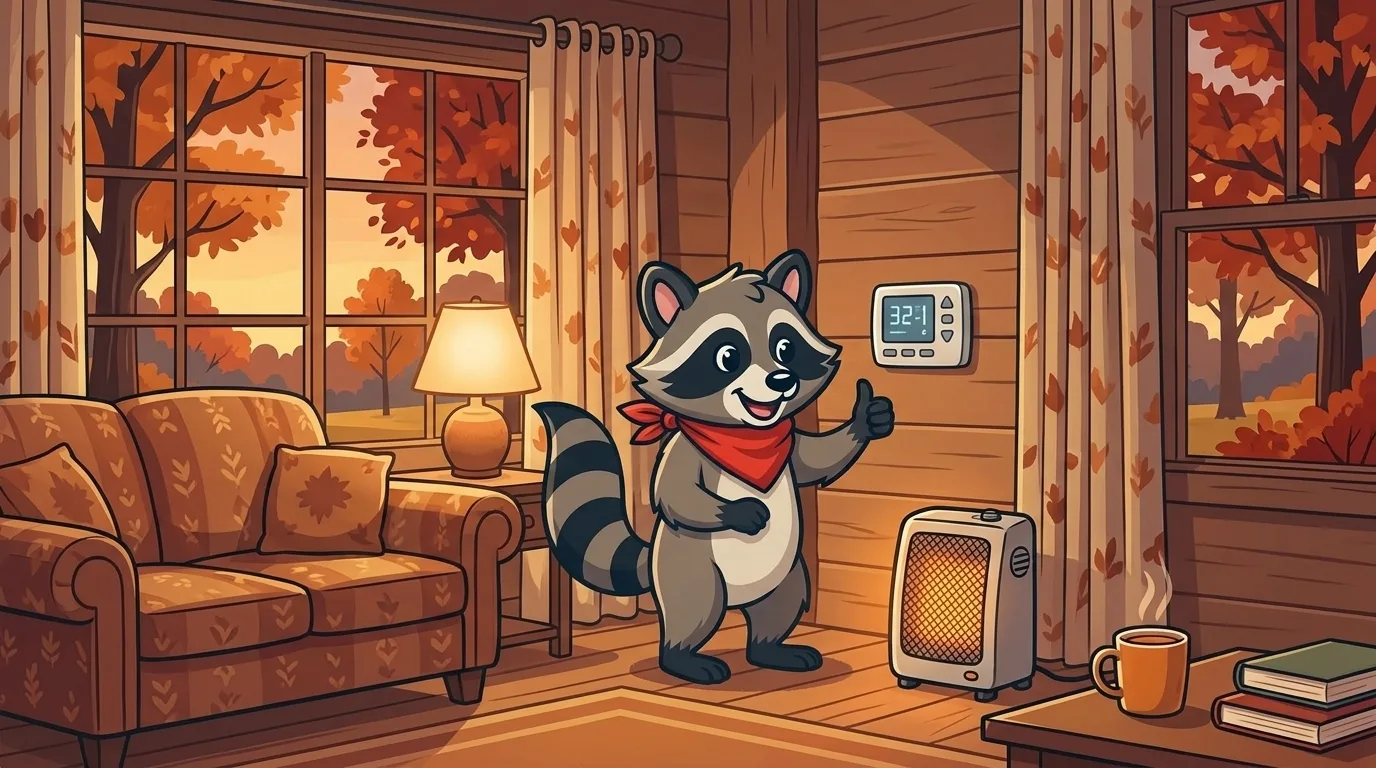
6) Test the thermostat in HEAT mode. Switch to heat, raise the setpoint a few degrees, and confirm warm air arrives within a few minutes. Replace the batteries, and consider a smart thermostat that can lower temps while you’re away.
7) Look over your ductwork. Disconnected, crushed, or leaky attic ducts can waste a big share of the heat you pay for. Check for loose joints and torn insulation where you can safely reach, and ask us about duct sealing if some rooms never warm up.
8) Open and clear every supply register and return. Furniture, rugs, and curtains often end up covering vents over the summer. Blocked vents create cold rooms and make the system work harder.
9) Have a cold-snap plan. When temperatures are forecast to drop into the low 20s or below, keep the thermostat at a steady setting (55°F or higher even if you’re traveling), avoid big temperature jumps that trigger backup heat strips, and keep our number handy.
Pair this list with a fall heating tune-up and your home will be ready for anything an East Texas winter throws at it. Questions or need a hand? Call Ray Roberts Service at (903) 765-7629.
Have HVAC questions?
Our East Texas team is here 24/7. Call us anytime.