A fall plumbing checklist for East Texas homeowners — how to flush your water heater, test the relief valve, and protect outdoor faucets and exposed pipes before the first hard freeze.
Your HVAC system isn’t the only thing that works harder when the weather turns. Water heaters strain more in cold weather as incoming water gets colder, and East Texas homes — many with pipes in crawl spaces, exterior walls, and attics — are especially vulnerable when a hard freeze sneaks in. A little fall prep goes a long way.
Part 1: Water heater care.
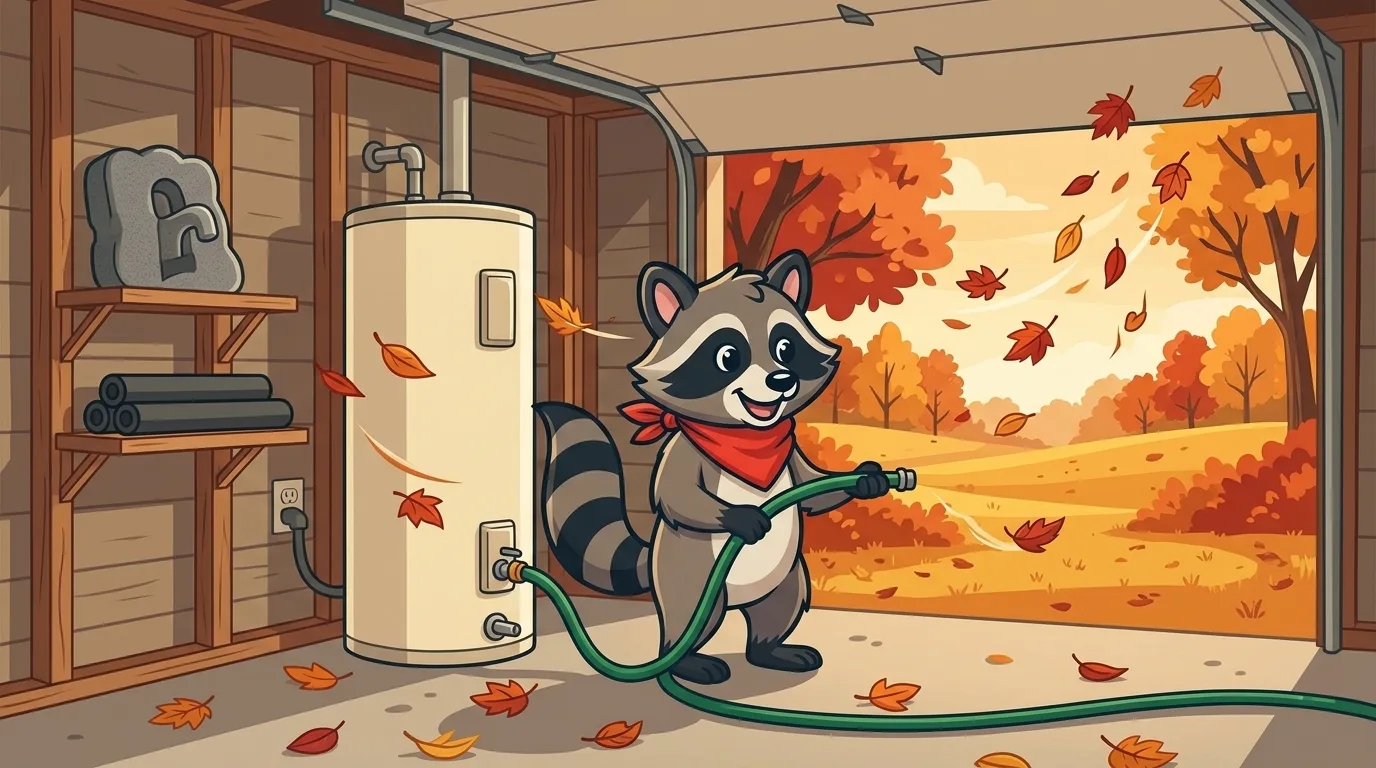
1) Flush the tank. East Texas water carries minerals that settle to the bottom of the tank as sediment. That layer insulates the water from the burner or element, so the heater runs longer, gets noisy (popping or rumbling), and wears out sooner. Turn off the gas or power, connect a garden hose to the drain valve, run it outside, and drain a few gallons until the water runs clear. If you’re not comfortable doing this, we’re happy to handle it.
2) Test the temperature-and-pressure (T&P) relief valve. This valve keeps the tank from over-pressurizing. Lift the lever briefly and let a little water discharge into the drain pipe. If nothing comes out, or it keeps dripping after you let go, it needs replacing.
3) Check the temperature setting. 120°F is the sweet spot for most homes — hot enough for comfort and sanitation, low enough to reduce scald risk and save energy.
4) Look for warning signs. Rust-colored hot water, moisture or rust at the base of the tank, or a heater over 10–12 years old are all signals to plan for replacement on your schedule instead of after a leak.
Part 2: Freeze protection — preventing frozen pipes.
5) Disconnect and drain garden hoses. A hose left connected traps water in the outdoor faucet, which can freeze and split the pipe inside the wall. Disconnect, drain, and store hoses before the first freeze.
6) Cover outdoor faucets. Inexpensive foam faucet covers from any hardware store add meaningful protection. If you have an interior shut-off for outdoor spigots, close it and open the outside faucet to drain the line.
7) Insulate exposed pipes. Foam pipe sleeves on pipes in crawl spaces, garages, attics, and along exterior walls are cheap insurance. Pay special attention to the pipes feeding your water heater if it sits in an unheated garage.
8) Know where your main water shut-off is. If a pipe does burst, every minute counts. Find the main valve now, make sure it turns, and show everyone in the house where it is.
9) Have a cold-snap plan. When temperatures are forecast to drop into the low 20s or below, let faucets on exterior walls drip, open cabinet doors under sinks, and keep the thermostat at 55°F or higher even if you’re traveling.
Pair this list with a fall heating tune-up and your home will be ready for anything an East Texas winter throws at it. Questions or need a hand? Call Ray Roberts Service at (903) 765-7629.
Have HVAC questions?
Our East Texas team is here 24/7. Call us anytime.